

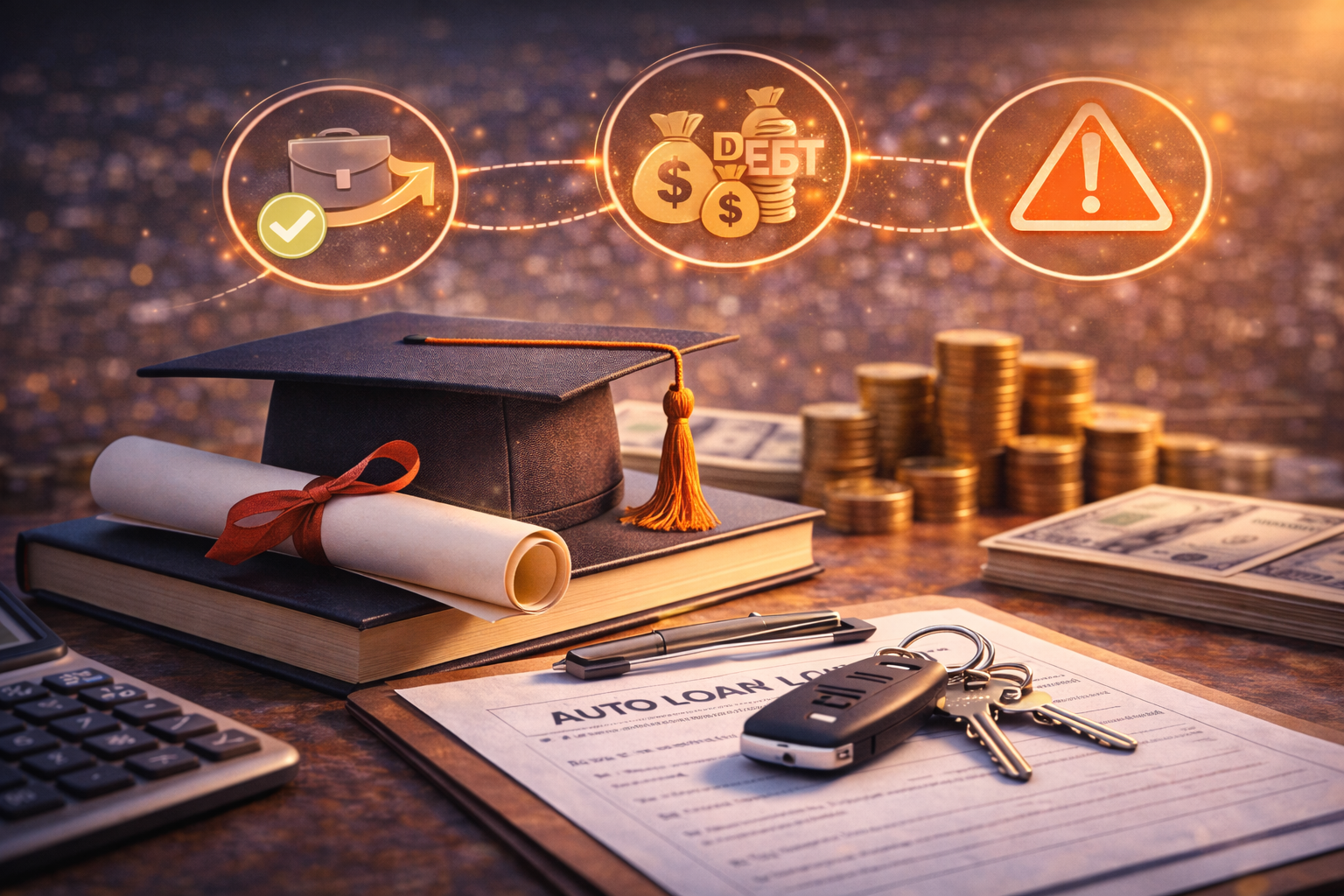
Student Loans: The Good, the Bad, and How to Pay Them Back (A Beginner’s Guide)
Getting a college degree is one of the best things a person can do. But college and university costs can be very high, which is why a lot of students rely on:
Student Loans
Students can borrow money to pay for school now and pay it back later.
They can help you find better jobs, but they also mean you have to pay them back over time.
This guide will cover the following topics:
- What student loans are and how they work
- What are the pros and cons of them?
- How can borrowers pay them back smartly?
What is a student loan?
You can borrow money from a bank, the government, or a private lender to pay for things like school.
- Costs of tuition
- Things like books and other things
- Costs of housing and living
- How to get around
- Other school costs
After they graduate, students usually have to pay back their loans with interest.
How to Get a Loan for School
This is how it works:
- The student wants a loan.
- The lender pays for school
- The student is done with school.
- You have to start paying back the loan after you finish school (or after a grace period).
- You make monthly payments on the loan.
Some loans let you put off paying them back while you study.
The Good Things About Student Loans
Student loans have a lot of good things about them:
- Getting into college
Student loans make it possible for people who can’t pay for college up front.
A lot of students would miss out on chances to learn if they didn’t have loans.
- Invest in your future career growth
Education can lead to:
✅ More jobs available
✅ A chance to make more money
✅ A chance to move up in your job
Over the long term, student loans help people do well in their jobs.
- Choices for Flexible Payment
Many student loans offer:
- Taking a break after graduation
- Plans for paying off debt based on how much money you make
- Longer time to pay back
This takes some of the stress off of money right away.
- Helps you build a credit history
Paying back loans on time helps your credit score, which makes it easier to get loans in the future for:
- Cars
- Houses
- Money for business
Getting student loans can help you improve your credit score.
- Lower interest rates on loans from the government
The interest rates on government-backed student loans are usually lower than those on personal loans or credit cards.
This makes it easier to get a loan.
The Bad Things About Taking Out Student Loans
Student loans can help, but they also have some issues.
- A lot of debt that lasts a long time
It can take years or even decades to pay off student loans.
Some graduates may already owe money when they start working.
- Interest Makes the Total Cost Higher
You pay back more than you borrowed because of interest.
For instance, you borrowed $30,000.
The total amount owed is $40,000 or more.
Over time, interest makes the cost go up a lot.
- It can be stressful to pay your bills every month.
Loan EMIs can be a problem if you don’t make a lot of money after you graduate.
Not paying on time makes your money problems worse.
- The chance of default
Not paying back can cause:
- Low credit score
- What the law says
- Loans will be hard to get in the future
Not paying back a loan can have bad effects for a long time.
- Could Delay Financial Goals
Student loans can get in the way of big life goals like:
- Buying a house
- Starting a business
- Saving money for when you retire
Ways to Really Pay Off Your Student Loans
Paying back your student loans wisely can help you save money and feel less stressed.
- Understand the Terms of Your Loan
Before you start paying back, you should know this:
✅ The loan amount
✅ The interest rate and the schedule for paying it back
✅ A time to pay back your loan
Having knowledge helps you make better plans.
- If you can, start paying early.
Even making small payments while you’re in school will lower your future interest.
Paying off the loan early lowers the principal more quickly.
- Choose the Best Way to Pay Back
Many lenders give you options like:
- Payback as usual
- Paying back based on income
- Payback time is longer
Choose a plan that fits your budget.
- Pay More Than What Is Due
Paying more lowers the interest rate and speeds up how long it takes to pay off the loan.
Adding just $50 a month can save you thousands of dollars in the long run.
- Pay off the loans with the highest interest rates first.
To save money, pay off the loans with the highest interest rates first.
This is the method of the debt avalanche.
- Consider getting a new loan to pay off your old one.
Getting a new loan with a lower interest rate is what refinancing means.
This can:
- Lower the monthly payment
- Lower the total cost of repayment
People with good credit should refinance.
- Don’t Forget to Pay
Late payments cause:
- Fines
- More interest
- Your credit score will go down
Set up reminders or automatic payments to stay on track.
- Set up an emergency fund
Costs that come up unexpectedly can make it hard to pay back.
Having money set aside for emergencies stops missed EMIs.
- Get a Better Job After You Graduate
Make it easier for you to pay back by:
- Getting better job offers
- Working on the side or as a freelancer
- Getting better at things
It’s easier to get paid back when you make more money.
- Look for programs that help with loans or forgive them.
Some government programs will erase loans for:
- Jobs in the government
- Teaching jobs
- Plans for people with low incomes to pay back money
Check to see if you meet the requirements.
Student Loans: Good Tips for Borrowing
Before you take out a student loan:
✅ Only borrow what you need.
✅ Compare lenders and interest rates.
✅ Know how much you will have to pay back in total.
✅ Choose an education that will help you get a good job.
✅ Don’t borrow money for lifestyle expenses that you don’t need.
If you borrow money wisely, you won’t have money problems in the future.
Frequently Asked Questions About Student Loans
Q1: Are student loans good or bad?
They are good for learning, but you need to be careful not to get into debt for a long time.
Q2: When do you have to start paying back your loans for school?
Usually after graduation, with a break.
Q3: Can you pay off your student loans early?
Yes, paying off a loan early lowers the cost of interest.
Q4: Do student loans hurt your credit score?
Yes. Paying on time is good for your credit, but missing payments is bad for it.
Last Thoughts
You can use student loans to pay for school and do well in the future.
They help people learn, but they also make them responsible for their money over time.
The main point is:
Plan ahead, borrow smartly, and pay back smartly.
If you use the right repayment plans, you can pay off your student loans without hurting your financial future.

