

Things You Should Know About Hidden Costs in Home Loans (A Beginner’s Guide)
Buying a house is one of the most important financial decisions you’ll ever make, and most people need to get a mortgage to do it.
Most of the time, borrowers only think about the loan amount and interest rate. They forget about something just as important:
Costs that aren’t obvious in home loans
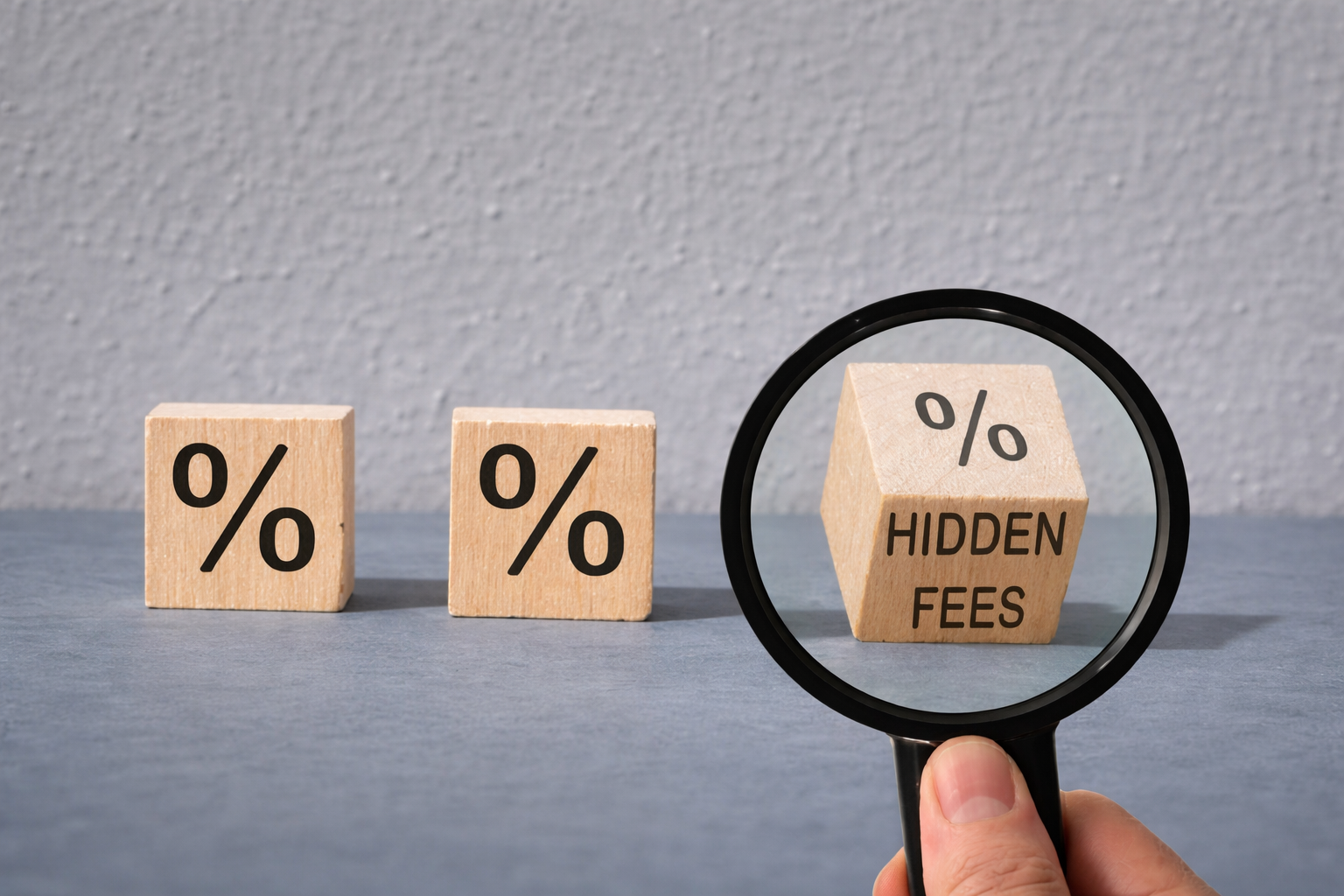
Home loans have extra costs and fees that can make the total cost of borrowing a lot higher.
Knowing about these hidden costs will help you avoid surprises and better plan your money.
This guide will tell you about the most common hidden costs of home loans that you should know about before signing a mortgage.
Why Hidden Costs Are Important
A lot of borrowers think:
The total cost is the loan amount plus the interest.
But in reality, home loans come with extra fees, like:
- Fees
- Taxes
- Insurance
- Costs of the law
These costs can add thousands of dollars to your mortgage payment.
Being aware helps you borrow better.
Things You Should Know About Hidden Costs in Home Loans
Let’s take a look at the most common hidden fees one by one.
- Loan Processing Fees
Most banks charge a fee to process your loan application.
This fee includes:
- Paperwork
- Work in administration
- Processing loan approvals
Most of the time, processing fees are:
0.5% to 2% of the amount of the loan
For example:
Amount of the loan: $200,000
Processing fee: $2,000 (1%)
Always check this price ahead of time.
- Fees for Legal Work and Paperwork
There is a lot of legal work that goes into home loans.
Banks charge for:
- Checking the property documents
- Checking the title
- Paperwork for the law
These fees change, but they can be high, especially for big property deals.
- Fees for Property Valuation
Before giving a loan, lenders get a professional appraisal of the property’s value.
Banks charge fees for appraisals for:
✅ Checking the value of the property
✅ Looking at the property
✅ Risk evaluation
This is often a cost that isn’t obvious at first.
- Fees for Registration and Stamp Duty
When you buy property, you have to pay the government fees, which are:
- Tax on stamps
- Fees for registering property
You have to pay these separately; they are not included in the loan amount.
Depending on where you live, stamp duty can be anywhere from 3% to 8%.
- Requirement for a Down Payment
A home loan does not pay for the whole property.
People who borrow money must pay:
10% to 30% of the home’s price up front
For example:
Home price: $300,000
The loan covers 80%, or $240,000.
You need to put down $60,000.
The down payment is a big cost up front.
- PMI (Private Mortgage Insurance)
If you don’t have a lot of money for a down payment (usually less than 20%), lenders may ask you to get mortgage insurance, or PMI.
PMI makes your loan payments go up every month.
This happens a lot in mortgage systems.
- Fees for Changing Interest Rates
Some loans start with rates that change, but later on, borrowers want rates that stay the same.
When you change the type of interest, banks charge you a fee.
Always make sure that your loan is flexible and doesn’t have high fees.
- Fees for Paying Off Early and Foreclosure
A lot of borrowers want to pay off their loans early to save money on interest.
But some lenders charge fees for:
- Partially paying ahead
- Full foreclosure
These fees make it less worthwhile to pay off early.
Always read the rules about paying in advance.
- Penalties for Late Payments
Late fees apply if you miss an EMI.
Charges for being late include:
- Interest on penalties
- More fees
- Damage to your credit score
Missing even one payment can cost a lot.
- The Cost of Home Insurance
A lot of lenders make borrowers get home insurance.
Insurance protects property from:
- Fire
- Disasters in nature
- Risks of damage
It is helpful, but it costs more each month.
- Taxes on Property and Upkeep
After you buy a house, you have to pay for things like:
- Tax on property
- Fees for keeping society going
- Fixing things and making them better
When planning for a loan, people often forget about these ongoing costs.
- Fees That Aren’t Clear in Loan Agreements
Some lenders charge small fees like:
- Fees for statements
- Fees for administration
- Fees for changing a loan
- Fees for service
Always read the terms of a loan carefully.
How to Stay Away From Hidden Costs on Your Home Loan
These are some smart tips:
- Before you sign, ask for a full breakdown of the fees
- Compare lenders and the total APR cost
- Plan your down payment separately
- Check the rules for foreclosure and prepayment
- Read the loan terms carefully
- Keep emergency savings for extra costs
Planning ahead keeps things from going wrong.
Example of Total Cost
The amount of the home loan is $250,000.
Over 20 years, the cost of interest is $150,000.
Costs and fees that aren’t obvious: $10,000–$20,000+
The real total repayment is much higher than expected.
Questions and Answers About Hidden Home Loan Costs
Q1: Are there any costs that can’t be avoided?
You can lower some costs, like stamp duty and processing fees, by comparing lenders.
Q2: What is the most expensive thing about home loans that you don’t know about?
Fees for processing, stamp duty, and mortgage insurance are usually the biggest costs.
Q3: Can banks get rid of processing fees?
Yes, sometimes, during sales or negotiations.
Q4: Should I pay back the loan early if there are penalties?
Only if the savings on interest are more than the penalty fees.
Last Thoughts
There is more to home loans than just EMIs and interest rates.
Processing fees, legal fees, insurance, taxes, and penalties are some of the hidden costs that can make borrowing much more expensive.
The best way to do this is:
Before you sign, make sure you know all the costs.
Compare lenders carefully.
Plan your finances beyond the EMI.
A borrower who knows what they’re doing doesn’t get any surprises and saves money in the long run.

