

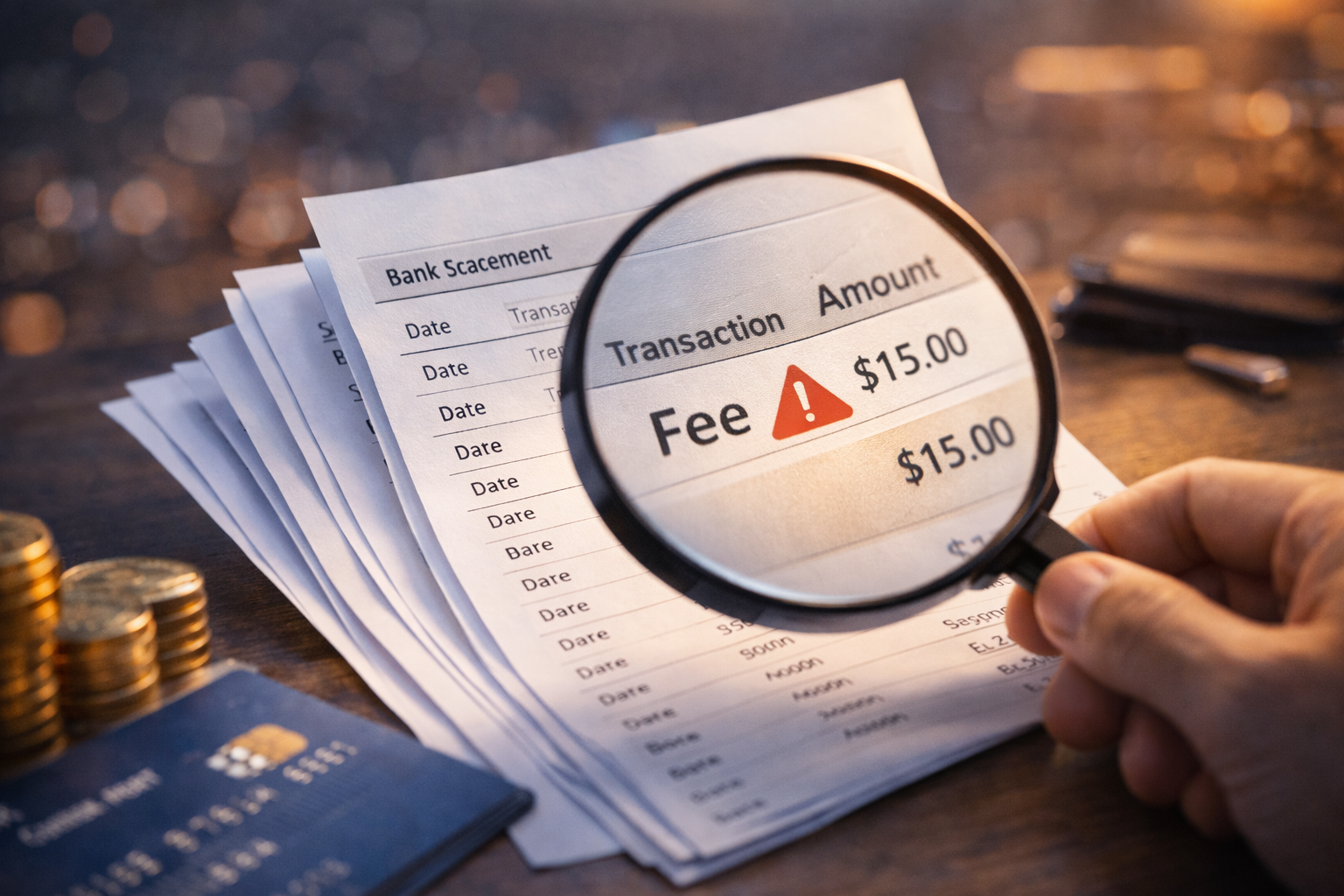
Banks help you keep track of your money, keep it safe, and make it easier to manage. But a lot of people are shocked when they see unexpected deductions from their accounts. These deductions are usually bank fees, which are fees that apply to certain services, transactions, or account conditions.
It’s not always clear what bank fees are when you open an account, which can be confusing for people who are new to banking. Small fees may not seem like a big deal, but they can add up over time and take a big chunk out of your savings.
This guide breaks down bank fees in plain language, points out fees you should avoid, and teaches you how to better manage your bank account. If you know what these fees are, you’ll be able to keep more of your hard-earned money.
What Are the Costs of Banks?
Banks charge fees for services like maintaining accounts, processing transactions, and providing services. Banks use these fees to pay for their day-to-day costs and make money.
Some bank fees are clearly listed, while others may look like small deductions that customers don’t notice.
Why Do Banks Charge Money?
There are a number of reasons why banks charge fees:
- Taking care of and managing accounts
- Costs of processing transactions
- Offering services that make life easier
- Taking care of security and risk
- Encouraging certain actions on an account
Not all fees are unfair, but you can avoid a lot of them if you know what to do.
Things You Should Know About Common Bank Fees
Knowing what the most common bank fees are can help you spot and avoid fees you don’t need to pay.
Fees for Keeping Your Account
What It Is
Some banks charge you every month or every year just to keep your account open.
Why It Happens
- Not keeping a minimum balance
- Features of a premium account
How to Stay Away from It
- Keep the right balance
- Pick a basic account or a zero-balance account
- Talk to your bank about options that don’t cost anything
Penalty for a Low Balance
What It Is
A fee that is charged when your account balance goes below the minimum amount.
Why It’s Important This is one of the most common hidden fees that affect new users and people with low incomes.
How to Stay Away From It
- Check your balance often
- Use accounts that don’t require a minimum balance or have a low minimum balance
- If you can, link your savings accounts
Fees for Withdrawing Money from ATMs
What It Is
Fees for taking out more money than you are allowed to or from ATMs at other banks.
Different Types of ATM Fees
- More withdrawals each month
- Using ATMs outside of your network
How to Stay Away from It
- Use the ATMs at your bank
- Limit cash withdrawals that aren’t needed
- Look at the limits for free withdrawals each month
- Annual Fees for Debit Cards
What It Is
Some banks charge a yearly fee to issue or keep a debit card.
Why People Often Ignore It
The amount is usually small and is taken out automatically.
How to Stay Away From It
- Request a debit card with no fees
- Ask for a card to be upgraded or downgraded
- Talk to the bank
- Fees for Transactions
What It Is
Fees will be charged for going over the free transaction limits.
Some Common Examples
- Too many transfers
- Too many cash deposits
- Using checks often
How to Stay Away from It
- Don’t use cash; use digital payments instead
- Stay within your monthly limits
- Pick accounts that let you do more transactions
Fees for Online Transfers
What It Is
Fees for sending money to other banks or using some payment services.
Why It Happens
- Costs of processing between banks
- Options for faster transfers
How to Stay Away from It
- Use the usual ways to transfer
- Look at the costs of bank transfers
- When possible, group transactions together
Fees for Checks
What It Is
Fees for writing checks, processing them, or bouncing them.
Risk That Isn’t Obvious
Fees for bounced checks can be very high and hurt your reputation with banks.
How to Stay Away from It
- Don’t write checks if you don’t have enough money in your account
- Use electronic payment methods
- Check the status of your check clearance
Fees for Not Using an Account
What It Is
A charge for not using an account for a long time.
Why Banks Charge It
Even if an account is inactive, it still needs system maintenance.
How to Stay Away from It
- Do at least one transaction every so often
- Close accounts that you don’t use
- Keep an eye on your account activity
Costs for SMS and Alerts
What It Is
Fees for alerts and notifications about transactions.
Why It Seems Hidden
Charges are small and taken out automatically.
How to Stay Away from It
- Instead of SMS, use app notifications
- Check the prices of alert services
- Choose free ways to get notifications
Fees for Transactions Made Outside the Country
What It Is
Fees apply when you use your card outside of the country or in a foreign currency.
A Lot of the Time
- Buying things from other countries online
- Money spent on travel
How to Stay Away from It
- Use cards that don’t charge much for foreign transactions
- Before you pay, check the exchange rates
- When you can, use the local currency
How Hidden Bank Fees Hurt Your Savings
Fees, even small ones, add up over time.
For Example
If you pay $5 a month in fees that you don’t need, that’s $60 a year or $600 over 10 years.
Avoiding hidden fees is good for your long-term financial health.
Finding Hidden Bank Fees
- Check your bank statements every month very carefully
- Look at the descriptions of the transactions
- Look at the difference between the expected and actual balance
- Ask the bank for a list of fees
The first step to having control is to be aware.
How to Cut Down on or Avoid Bank Fees Altogether
- Pick between basic and digital accounts
- Keep the right amounts in your accounts
- Instead of going to the bank, use online banking
- Don’t make transactions that aren’t needed
- Ask your bank to waive fees
A lot of banks will lower fees if customers ask.
Things to Think About Before Opening a Bank Account
- What is the minimum amount of money you need to have?
- Do you have to pay monthly maintenance fees?
- How many times can you take money out of an ATM for free?
- Are transactions done online free?
- What happens if the account isn’t used?
These questions can help you save money.
Are Bank Fees the Same in All Places?
No, bank fees are different depending on:
- Rules for banks
- Type of account
- Where you live
- Relationship with the customer
Always look at a few banks before choosing one.
Frequently Asked Questions (FAQs)
Are fees at banks legal?
Yes, as long as the terms and conditions make it clear.
Can banks take away fees if you ask them to?
Yes, in many cases, especially for regular customers.
Are digital accounts less expensive?
Yes, most of the time, because their operating costs are lower.
Do all banks have fees that aren’t obvious?
Most banks tell customers about fees, but many people don’t pay attention to them.
Conclusion
Bank fees are a normal part of the financial system, but if you’re not careful, hidden fees can slowly take your money. You can avoid paying too much by knowing about common bank fees, keeping an eye on your account activity, and picking the right banking products.
The key to better banking is to know what you’re doing. When you know what to look for, bank fees stop being surprises and become choices you can make. If you do things the right way, your money can keep working for you instead of disappearing because of fees that could have been avoided.

