

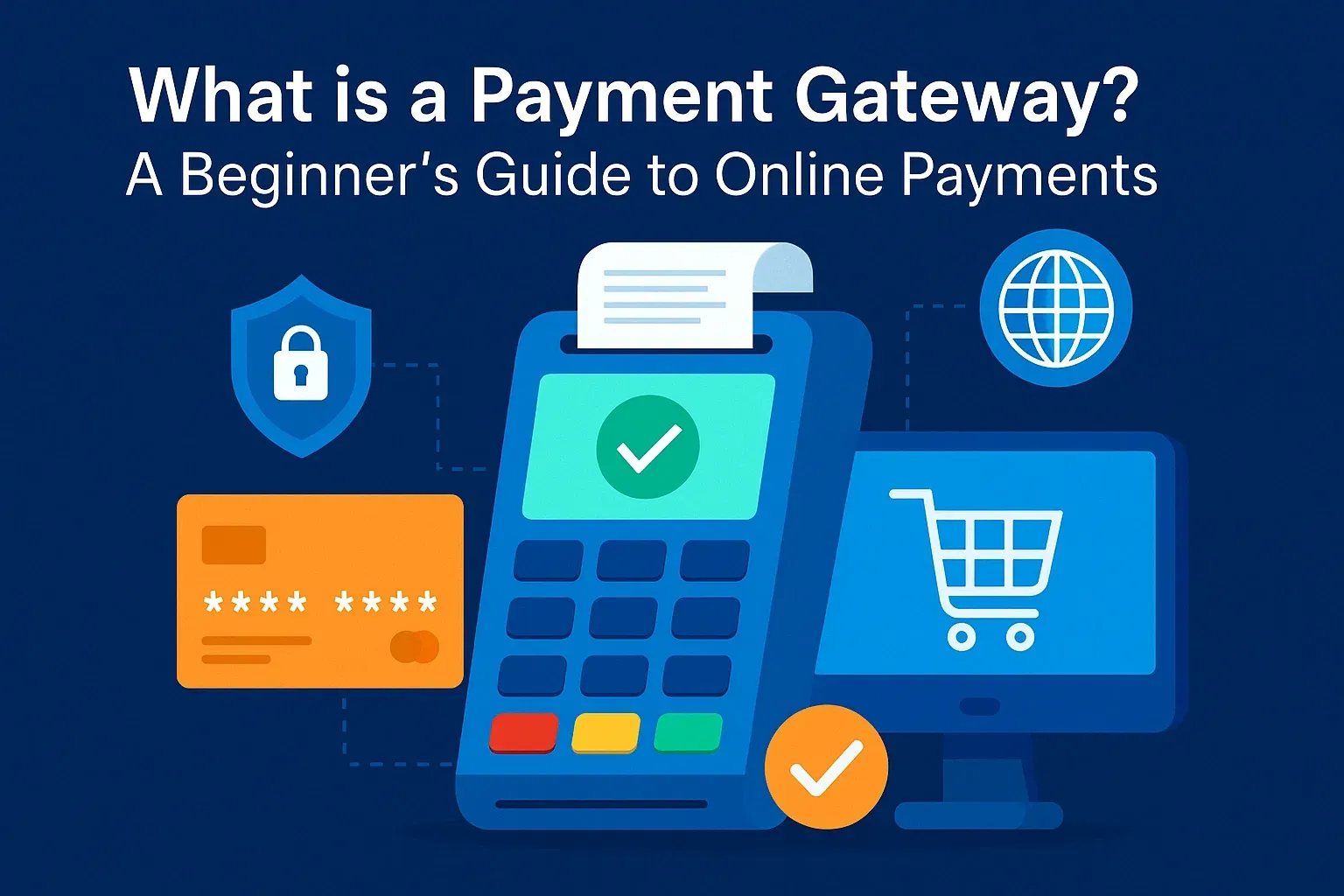
In today’s digital world, online shopping, e-commerce, and digital services are all growing very quickly.
There is one important system that works behind the scenes when you buy something on Amazon, pay for Netflix, or book a flight online:
Online Payment Gateways
Payment gateways make it easy and safe for businesses to accept payments online.
This simple guide will explain what payment gateways are, how they work, what their benefits are, and why they are important for online businesses today.
What does the Internet have to do with a payment gateway?
An online payment gateway lets a business take payments from customers using debit cards, credit cards, mobile wallets, or bank transfers.
To sum up:
The payment gateway connects the customer’s bank to the merchant’s bank.
It safely handles online payments and makes sure that money is sent safely.
Why Are Payment Gateways Important?
Without payment gateways, online businesses wouldn’t be able to get paid right away.
They give:
- Safe online transactions
- Payments are processed quickly
- Help with different payment options
- Finding and stopping fraud
E-commerce wouldn’t be possible without payment gateways.
How online payment gateways work
Payment gateways may look hard, but they only take a few seconds to use.
This is a list of steps:
Step 1: The customer places an order
A person goes to an online store and chooses a product or service.
Example:
- Buying shoes for $50
Step 2: The customer gives their credit card information
The customer chooses how to pay:
- Card for credit or debit
- Phone wallet
- Moving money
You can safely enter your payment details.
Step 3: The payment gateway encrypts the information
Encryption keeps the customer’s payment information safe at the gateway.
This stops hackers from getting to private information.
Step 4: The request for payment is sent for approval
The gateway sends transaction information to:
- Processor of payments
- Network of cards, like Visa and Mastercard
- The bank of the customer
Step 5: The bank either says yes or no to the payment
The bank checks:
- Balance on hand
- Validity of the card
- Risk of being cheated
Then it sends a message back saying yes or no.
Step 6: The deal is done
If it gets the green light:
✅ The payment goes through
✅ The merchant gets a confirmation
✅ The customer gets a receipt
All of this happened in a few seconds.
Key Features of Payment Gateways
A good payment gateway has:
✅ Encryption and safety
Keeps people from taking card information.
✅ Many ways to pay
Helps:
- Cards
- Wallets that you can use online
- Buy now, pay later
- Transfers within the area
✅ Fast Transactions
Right away, payments are taken care of.
✅ Finding fraud
Helps you find activities that seem shady.
✅ Help with payments all over the world
Allow businesses to accept payments from other countries.
Different types of online payment systems
Businesses can choose from a number of different types of gateways based on what they need:
- Hosted Payment Gateways
The customer is sent to the platform of the gateway.
Example:
- PayPal
It’s easy to add, but you don’t have as much control over branding.
- Payment gateways that work with each other
Payments go right to the merchant’s site.
Example:
- Stripe
✅ Simple to use
✅ More ways to make it your own
- Payment gateways that use APIs
Advanced gateways for large companies that have their own checkout systems.
✅ Best for online stores that want to grow
- Payment gateways near you
Some gateways only work in some places.
Examples:
- JazzCash in Pakistan
- Paytm in India
Famous Online Payment Gateways
People all over the world trust these payment gateways:
- PayPal and Stripe
- Square and Authorize. Net
- Use Amazon to pay
- Use Google to pay
Here are some examples of regional gateways:
- JazzCash
- Easypaisa
- Razorpay
Payment processor vs. payment gateway
Many beginners get these mixed up.
Payment Gateway: Safely sends payment information.
Payment Processor: Takes care of processing transactions.
Attention:
- The customer’s experience when they check out
- Settlement between the bank and the merchant
Examples:
- Stripe Checkout
- Systems for processing bank transactions
Both sides need to work together for transactions to go well.
Benefits of Using Online Payment Gateways
There are a lot of good things about payment gateways:
✅ Simple for Customers
Sales go up when payments are quick and easy.
✅ More faith in business
Customers trust payment systems that are safe.
✅ Faster cash flow
Payments to businesses are made quickly.
✅ Helps the world grow
Accept payments from people all over the world.
✅ More protection against fraud
Gateways with monitoring systems make fraud less likely.
Are payment gateways on the web safe?
Yes, payment gateways have to follow strict security rules, like:
- SSL encryption
- Following the rules of PCI-DSS
- Two-step verification
- Tokenization
These systems protect both customers and businesses.
How to Choose the Best Payment Gateway
When picking a gateway, keep these things in mind:
✅ The fees for transactions
✅ The countries and currencies it works with
✅ The security features it has
✅ How well it works with your website
✅ The payment options it offers
✅ The quality of customer service
The gateway you choose should fit with your business goals.
Costs for Payment Gateways
Most gateways charge:
- Transaction fee (2%–4%)
- Setup fee (sometimes free)
- Monthly payments (for premium plans)
Example:
It might cost $3 to process a payment of $100.
What Will Happen to Online Payment Gateways in the Future?
The online payment industry is changing quickly with:
- AI to spot fraud
- Cryptocurrency payments
- Wallets that work faster on the internet
- Systems for checking out without touching
- Models for billing that are based on subscriptions
Online gateways will get even better and work perfectly.
Questions and Answers About Online Payment Gateways
Q1: Do small businesses have access to payment gateways?
Yes, even small online stores can easily add payment options like PayPal or Stripe.
Q2: Do payment gateways work in other countries?
Some gateways only work in certain areas, while others work everywhere.
Q3: Do you need payment gateways to buy things online?
Yes, you need them to safely process online payments.
Q4: What is the best way for people who are new to this to start?
PayPal is simple for people who are just starting out, but Stripe is better for businesses that want to change how they pay.
Final Thoughts
Online payment gateways are useful tools that let you make quick and safe payments online.
Payment gateways help you accept payments safely, whether you run an online store, sell digital goods, or offer services online.
Learning how payment gateways work can help businesses improve the customer experience, build trust, and grow in the digital marketplace.

