

When Is It a Good Idea to Refinance a Loan? A Guide for People Who Are New to Everything
Loans can help you buy a house, pay for school, get a car, or cover other big costs. But many people who borrow money don’t know that the interest rate and terms of repayment can change.
That’s when you should refinance.
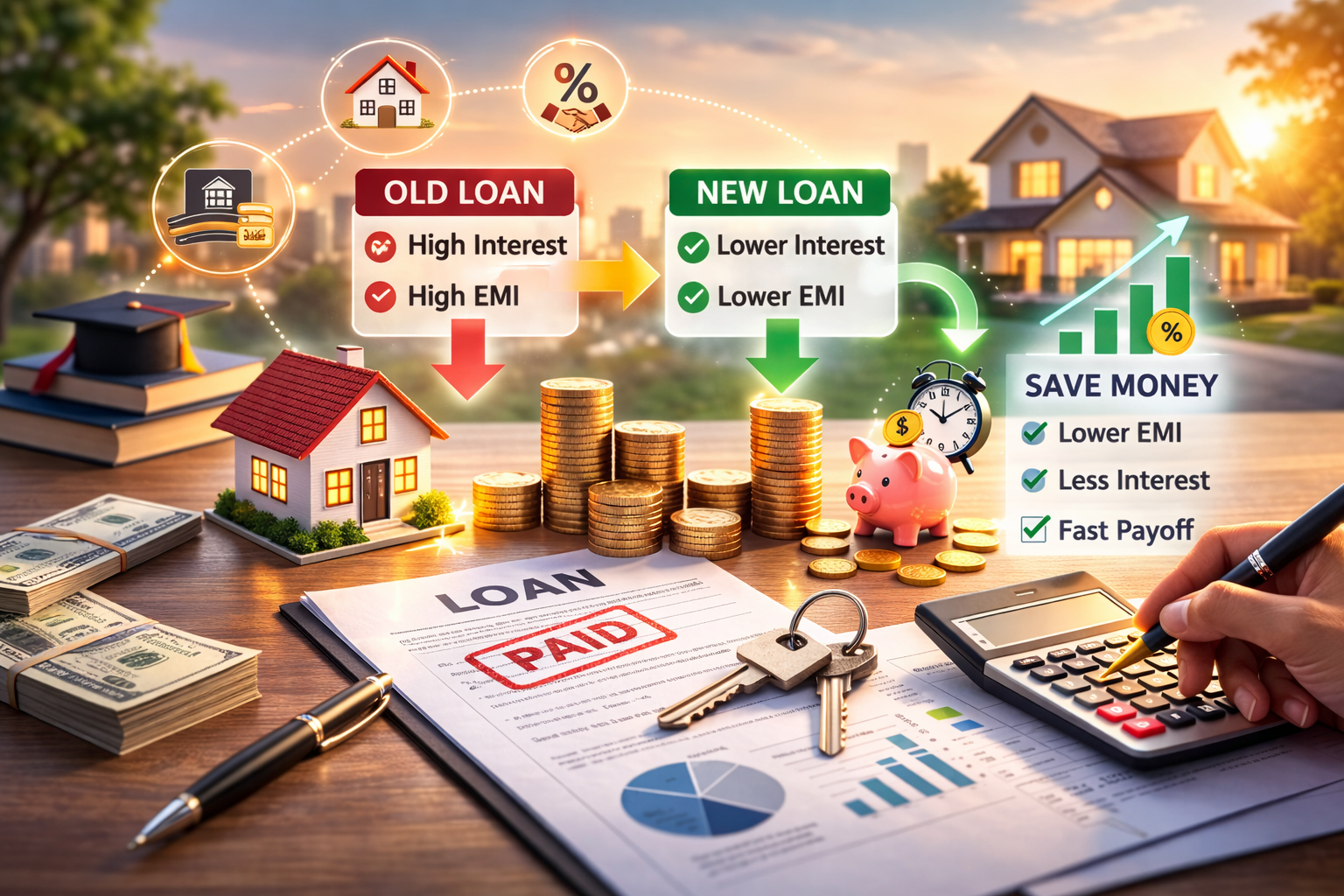
Refinancing can help you:
✅ Lower the interest rate
✅ Lower your EMI payments each month
✅ Save money over time
✅ Pay off your debt faster
But refinancing isn’t always the best thing to do.
This guide will tell you what refinancing loans are, how they work, and when they are a good idea financially.
What Does It Mean to Get a New Loan?
You get a new loan to pay off your old one when you refinance. The terms of the new loan are usually better.
In short:
Getting a new loan to pay off an old one is what refinancing means.
The new loan could offer:
- Less interest
- Different length of time to pay back
- A better way to set up monthly payments
People often refinance for these reasons:
- Loans for homes, or mortgages
- Loans for cars
- Student loans
- Loans for private use
What Is the Process of Refinancing?
This is how the refinancing process works:
- You ask a lender for a new loan.
- The new lender pays off the loan you already have.
- The loan you had before is no longer open.
- You start paying back the new loan with new terms.
When you refinance, it’s like getting a new loan.
Why Do People Take Out New Loans?
There are a lot of reasons why people refinance their loans, such as:
Getting money back, lowering the burden of EMI, paying off loans faster, switching lenders, and combining several debts are all things you can do.
Most of the time, the main goal is to make more money.
When Should You Refinance?
Refinancing is only useful at certain times. Let’s explore the best times to consider it.
- When Rates of Interest Have Gone Down
A lower interest rate is one of the best reasons to refinance.
For instance:
The current interest rate on loans is 12%.
9% is the new rate for refinancing.
A 2% to 3% drop can save you thousands of dollars over the life of the loan.
A lower rate means you will pay back less overall.
- If Your Credit Score Has Gone Up
If your credit score is better now than when you first borrowed money, you may be able to get better loan offers.
A better credit score means:
✅ Lower interest rates
✅ Better chances of getting approved
✅ Better loan terms
It makes sense to refinance after your credit score goes up.
- When You Want to Pay Less Each Month
Refinancing can lower your monthly payments and lengthen the loan term if your EMI is too high.
For instance:
EMI for a short time: $700
$500 for a longer-term refinanced EMI
This helps with cash flow every month.
However, longer tenure increases total interest cost.
- When You Want to Pay Off a Loan Faster
Refinancing can also help you pay off your loan faster.
For example:
The time limit is 15 years.
Refinancing takes ten years.
This causes:
✅ Pay off your debt faster
✅ Pay less interest overall
Best for people who are getting more money.
- When You Have More Than One Loan to Pay Off
You can combine all of your debts into one loan with debt consolidation refinancing.
For instance:
- Debt on credit cards
- Loan for personal use
- Medical bills
Good things:
One payment every month, lower interest rates, and easier payment management are all good things.
- When the Terms of Your Loan Are Bad
Some loans have high fees, penalties, or terms that aren’t good.
You can switch to a better lender when you refinance with:
Lower costs, more flexible payments, and better customer service
- When You Have a Loan With an Interest Rate That Changes
If you have a variable-rate loan and market rates go up, your EMI may go up as well.
When you refinance to a loan with a fixed rate, you get:
✅ Steadiness
EMIs that are easy to guess
Peace of mind for a long time
When It Might Not Be a Good Idea to Refinance
Refinancing isn’t always a good idea.
Don’t refinance if:
- The Costs Are Too High
There are costs associated with refinancing, such as:
- Fees for handling
- Fees for closing
- Paperwork costs
Refinancing isn’t worth it if the fees are higher than the savings on interest.
- You’re Almost Done With Your Loan Term
The savings on interest are big in the first few years.
Refinancing might not help much if you’re almost done paying off your loan.
- More Interest Overall With a Longer Tenure
Lower EMI sounds good, but it also means you have to pay back the loan over a longer time:
❌ Paying more interest overall
Always find out how much it will cost.
- Your Income Is Not Stable
When you refinance, you start a new loan contract.
It could be risky to take on new terms if your income is not certain.
- Your Credit Score Has Dropped
If you have bad credit, you may have to pay more to refinance, which is pointless.
Pros of Refinancing a Loan
✅ Lower monthly payments and interest rates
✅ Ways to pay back loans more quickly
Debt consolidation
✅ More flexible loans
Refinancing can help you keep your money in better shape.
How to Get a New Loan
- Look over the details of your current loan
- Look at the current interest rates in the market
- Check out different lenders
- Find out how much it will cost to refinance
- Get a refinance loan
- Pay off your old loan and start making new ones
Always base your decisions on facts.
Questions That People Often Have About Refinancing a Loan
Q1: Does refinancing make a loan less expensive?
Yes, as long as the new interest rate is lower and the fees are fair.
Q2: Will refinancing make my monthly payment lower?
Yes, refinancing can lower your monthly payments by extending the loan term.
Q3: Should I refinance my home loan?
Yes, refinancing a home loan is common and can save you a lot of money on interest.
Q4: Will refinancing hurt your credit score?
It might cause a small drop in the short term because of a credit inquiry, but the long-term benefits can be greater.
In the End
Refinancing a loan at the right time can be a good financial decision.
When you can lower interest rates, make repayment terms better, or better handle monthly payments, it makes sense.
But sometimes it’s not a good idea to refinance.
Always think about the fees, the length of the loan, and the total interest cost before you refinance.
Remember:
✅ Only refinance if it will help your finances and save you money.
Refinancing can help you pay off your debt faster and get long-term financial freedom if you plan ahead.

