

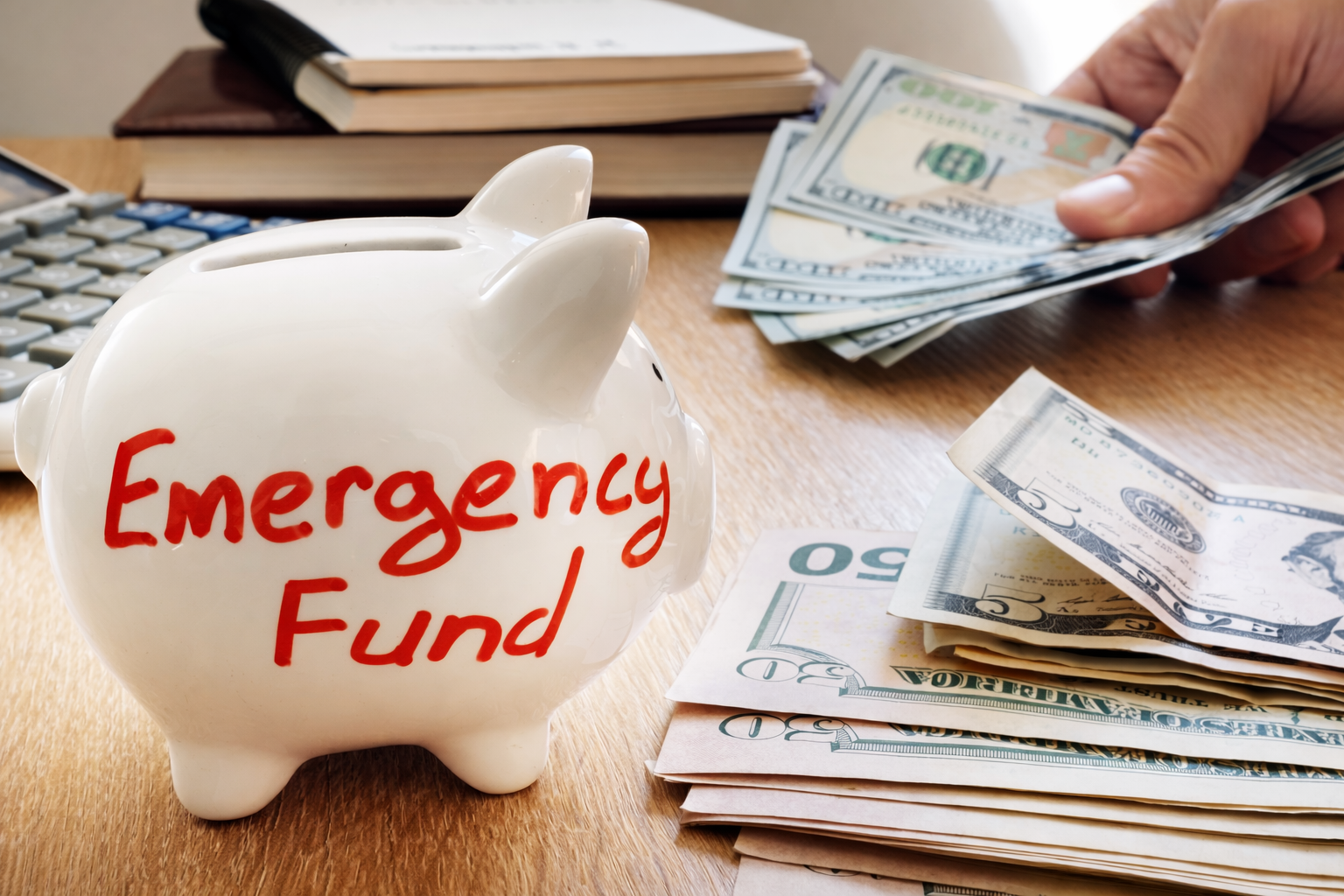
Why You Need an Emergency Fund and How to Build One (Full Guide)
Life is full of surprises. You never know when you might have to pay for something you didn’t expect, like:
Emergencies in the medical field
Losing your job
Fixing cars
Taking care of your home
Unplanned travel needs
If you don’t have any savings, these things can quickly put you in debt.
That’s why everyone needs to have one important financial safety net:
A Fund for Emergencies
In this guide, we’ll talk about why emergency funds are important, how much money you need, and the best ways to save up for one.
What is an Emergency Fund?
An emergency fund is money set aside just for financial emergencies that come up out of the blue.
Not meant for:
Holidays
Going to the store
Spending on luxury items
It is only for real-life emergencies that need money right away.
Emergency fund = peace of mind and protection for your money
What Is the Purpose of an Emergency Fund?
Everyone, no matter how much money they make, needs an emergency fund.
Let’s look at the main reasons:
1. Keeps you from going into debt
Most people depend on the following without an emergency fund:
Credit cards
Personal loans
Borrowing from other people
This can cause debt with high interest rates.
Emergency savings stop you from having to borrow money and stress about money.
2. Helps when you lose your job or your income goes down
One of the worst financial emergencies is losing your job or having your income cut.
An emergency fund can help pay for:
Rent
Food
Bills
Loan payments
Until you get a new job.
3. Pays for medical bills you didn’t expect
Medical emergencies are costly and hard to plan for.
You might still have to pay for things like:
Medications
Hospital costs
Emergency treatments
Having money saved up makes hard times less stressful.
4. Takes care of urgent repairs and bills
Repairs that you didn’t expect can happen all of a sudden:
Car trouble
Problems with plumbing at home
Replacing appliances
Emergency funds make sure you can deal with problems without worrying about money.
5. Gives You Peace of Mind
Mental comfort is one of the best things about it.
Having money set aside for emergencies makes you feel more confident and less worried.
✅ Having money in the bank makes your life better overall.
How Much Money Do You Need for an Emergency Fund?
A lot of people ask this:
“How much should I put away?”
Experts say:
✅ Put away enough money to cover your living costs for at least three to six months.
Example of a Calculation
Costs each month:
$800 for rent
$300 for food
$200 in bills
Getting there: $150
Total monthly costs = $1,450
Goal for the emergency fund:
3 months = $4,350
6 months = $8,700
Who Needs to Save More?
If you need more time, it could take 6 to 12 months if:
You have people who depend on you
Your job isn’t stable
You work for yourself
You have medical duties
Where Should You Keep Your Emergency Fund?
Emergency funds should be:
✅ Easy to get to
✅ Safe from risk
✅ Not part of your daily spending
The best places are:
High-yield savings account
Savings account at a bank
Money market account
Avoid: Stocks because you need cash right away in an emergency.
How to Make an Emergency Fund (Step by Step)
It might seem hard to build an emergency fund, but you can do it with small, steady steps.
Step 1: Begin with small things
You don’t need thousands right away.
Set a simple goal to begin with:
✅ Put away your first $100 to $500
Small savings add up over time.
Step 2: Set a goal for how much you want to save each month
Make a plan for how much you can save each month.
Examples:
Save $50 a month
Save $100 every month
Set aside 10% of your income
More than the amount, consistency is what matters.
Step 3: Make your savings automatic
Automation is the simplest way.
Every payday, set up an automatic transfer to your savings account.
This stops you from wanting to spend.
Step 4: Cut costs that aren’t necessary
Look for places where you’re wasting money, like:
Subscriptions that aren’t being used
Going out to eat a lot
Buying things on a whim
Put that money into your emergency fund instead.
Step 5: Make good use of extra money
Put some of the extra money you get into savings.
Examples:
Extra money from work
Refunds for taxes
Money from a side job
Presents
You can reach your goal faster by saving even 50% of your extra money.
Step 6: Use the Fund Only in Case of Emergency
An emergency fund is not for things you want.
Think about this:
✅ Is this important?
✅ Is it unexpected?
✅ Is it needed?
If so, use the fund. Don’t touch it if you don’t have to.
Step 7: Put it back together after using it
If you use money from your emergency fund, make rebuilding a top priority.
Start saving again every month until the fund is full.
Things to Avoid When Setting Up an Emergency Fund
Don’t make these common mistakes:
❌ Putting emergency money into risky investments
❌ Spending it on things that aren’t emergencies
❌ Not saving regularly
❌ Waiting for the “right time” to start
❌ Keeping cash where it loses value quickly
Emergency funds should be easy to get to and stable.
Emergency Fund vs. Savings Account: What They Are and How They Work
| Feature | Emergency Fund | Savings Account |
|---|---|---|
| Reason | Emergencies that come up out of the blue | Planned goals |
| Accessibility | Immediate | Medium |
| Use | Only urgent needs | Flexible goals |
| Priority | Very high | Moderate |
Frequently Asked Questions About Emergency Funds
Q1: What is a real emergency?
Losing a job, needing medical care right away, urgent repairs, or paying for unexpected expenses.
Q2: Is it possible to save for emergencies on a low income?
Yes. Start small and save regularly, even if it’s only $20 to $50 a month.
Q3: Should I put my emergency fund to work?
No. You should keep your emergency funds in safe, easy-to-access accounts.
Q4: How long does it take to make one?
It depends on how much money you make and how much you save, but saving regularly can help you build a strong fund in 6 to 18 months.
Last Thoughts
Everyone should have an emergency fund, which is one of the most important financial tools.
It keeps you from going into debt, helps you through tough times, and gives you peace of mind.
Keep in mind:
Emergencies happen, but financial panic doesn’t have to happen.
Start today, even if it’s just a little bit, and add to your safety net over time.

